
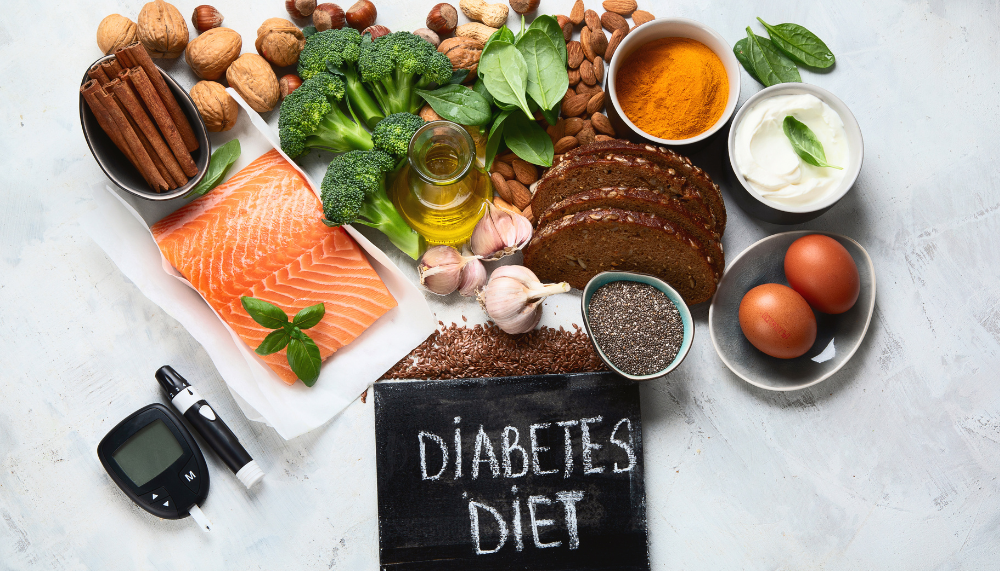
Diabetes is a growing health concern in Nigeria, affecting millions of people across all age groups. Managing diabetes doesn’t have to involve foreign foods or expensive diets. In fact, many locally available Nigerian foods can help you control your blood sugar and live a healthier, fuller life.
This article explores practical ways to manage diabetes through smart dietary choices and meal planning using foods that are affordable, accessible, and part of everyday Nigerian cuisine.
Understanding Diabetes in the Nigerian Context
Diabetes occurs when the body cannot properly regulate blood sugar (glucose) levels. The two main types are:
- Type 1 Diabetes: The body produces little or no insulin.
- Type 2 Diabetes: The body becomes resistant to insulin or doesn’t produce enough of it.
In Nigeria, Type 2 diabetes is more common and is largely influenced by lifestyle, poor diet, and lack of regular medical checkups.
Nigerian Foods That Help Manage Diabetes
The key to managing diabetes is controlling blood sugar levels, and this starts with choosing foods that are low in sugar, high in fiber, and rich in essential nutrients.
1. Unripe Plantain
Why it’s good: Low in sugar and high in fiber and potassium, unripe plantain slows down the release of glucose into the bloodstream.
How to eat:
- Boil and eat with vegetable sauce or egusi.
- Avoid frying or overcooking.
2. Guinea Corn (Dawa) and Millet (Jero)
Why they’re good: These grains have a low glycemic index, are rich in fiber, and help regulate blood sugar levels.
How to eat:
- Prepare as pap (without sugar) or use for swallow instead of eba or fufu.
- Combine with okra or vegetable soup for a balanced meal.
3. Beans (Ewa)
Why it’s good: Beans are rich in protein and fiber, which help reduce sugar spikes and keep you full longer.
How to eat:
- Cook plain beans (no sugar or too much palm oil).
- Pair with vegetables or small portions of boiled plantain.
4. Vegetables (Ugwu, Waterleaf, Bitter Leaf)
Why they’re good: Leafy greens are low in carbs, high in vitamins, and excellent for blood sugar regulation.
How to eat:
- Steam or stir-fry with little palm oil.
- Combine with fish or beans for a nutritious dish.
5. Sweet Potatoes
Why it’s good: Rich in fiber and nutrients, sweet potatoes digest slowly and prevent blood sugar spikes.
How to eat:
- Boil or roast (avoid frying).
- Eat with vegetables or beans.
6. Garden Egg (Anara)
Why it’s good: Low in calories and rich in fiber, garden egg helps manage blood sugar and promotes digestion.
How to eat:
- Eat raw with a little groundnut paste or stew.
- Add to vegetable stews.
7. Okra (Okro)
Why it’s good: Contains soluble fiber which helps control blood glucose levels.
How to eat:
- Prepare okra soup with minimal oil.
- Serve with millet or guinea corn swallow.
8. Ofada or Brown Rice
Why it’s good: Less processed than white rice, Ofada rice contains more fiber and nutrients, making it better for blood sugar control.
How to eat:
- Serve with vegetable-rich sauces and lean protein (like fish or snail).
- Avoid large portions.
9. Fish and Lean Protein
Why it’s good: Fish is low in fat and contains omega-3 fatty acids which improve heart and metabolic health.
How to eat:
- Grill, boil, or steam your fish.
- Avoid fried meats and processed sausages.
10. Local Fruits (In Moderation)
Fruits like pawpaw, watermelon, and African star apple (agbalumo) can be eaten in small quantities.
Avoid or limit:
- Overripe bananas, mangoes, pineapples, and fruit juices due to high sugar content.
Foods Diabetics Should Avoid in Nigeria
- White bread and pastries
- Sugary drinks and zobo with sugar
- Eba and fufu in large quantities
- Fried foods and snacks (puff-puff, chin-chin)
- Excessive alcohol and soda
Nigerian Lifestyle Tips for Managing Diabetes
- Regular Exercise: Engage in brisk walking, dancing, or farming activities for at least 30 minutes daily.
- Monitor Your Blood Sugar: Use a glucometer and record your levels regularly.
- Drink Water Often: Stay hydrated to flush out excess sugar.
- Sleep Well: Aim for 7–8 hours of sleep every night.
- Avoid Stress: Stress increases blood sugar levels. Practice relaxation and prayer/meditation.
Managing diabetes in Nigeria doesn’t have to be expensive or complicated. With proper knowledge and locally available foods, you can take charge of your health naturally. Focus on balanced meals, avoid sugary temptations, and make your lifestyle work for your body. Make sure to go for checks and tests at diagnostic centers to evaluate your current state of health regularly.
Diabetes is not a death sentence—it’s a call to live smarter. Start with your plate.